We pick a mortar that lets the wall breathe, so moisture leaves through the joints and not through your brick or stone. On older masonry, high-lime mortars let moisture pass more easily than dense cement mortars, and a mortar that traps water ends up damaging the brick or stone around it, so it's fair to ask any contractor which mortar they plan to use. I'll name mine on your estimate.
Our crew rakes out the worn mortar, packs the joints with fresh mortar and finishes them to match the rest of the wall, replacing cracked brick or stone as we go. The joints come first because any water cleaning should wait until they're sound and the wall is watertight, or water seeps in and can rust metal anchors and stain plaster inside. Grit blasting, grinders and sanding discs strip dirt and paint but usually take some of the masonry face with them, which is worth knowing before anyone aims one at your house.
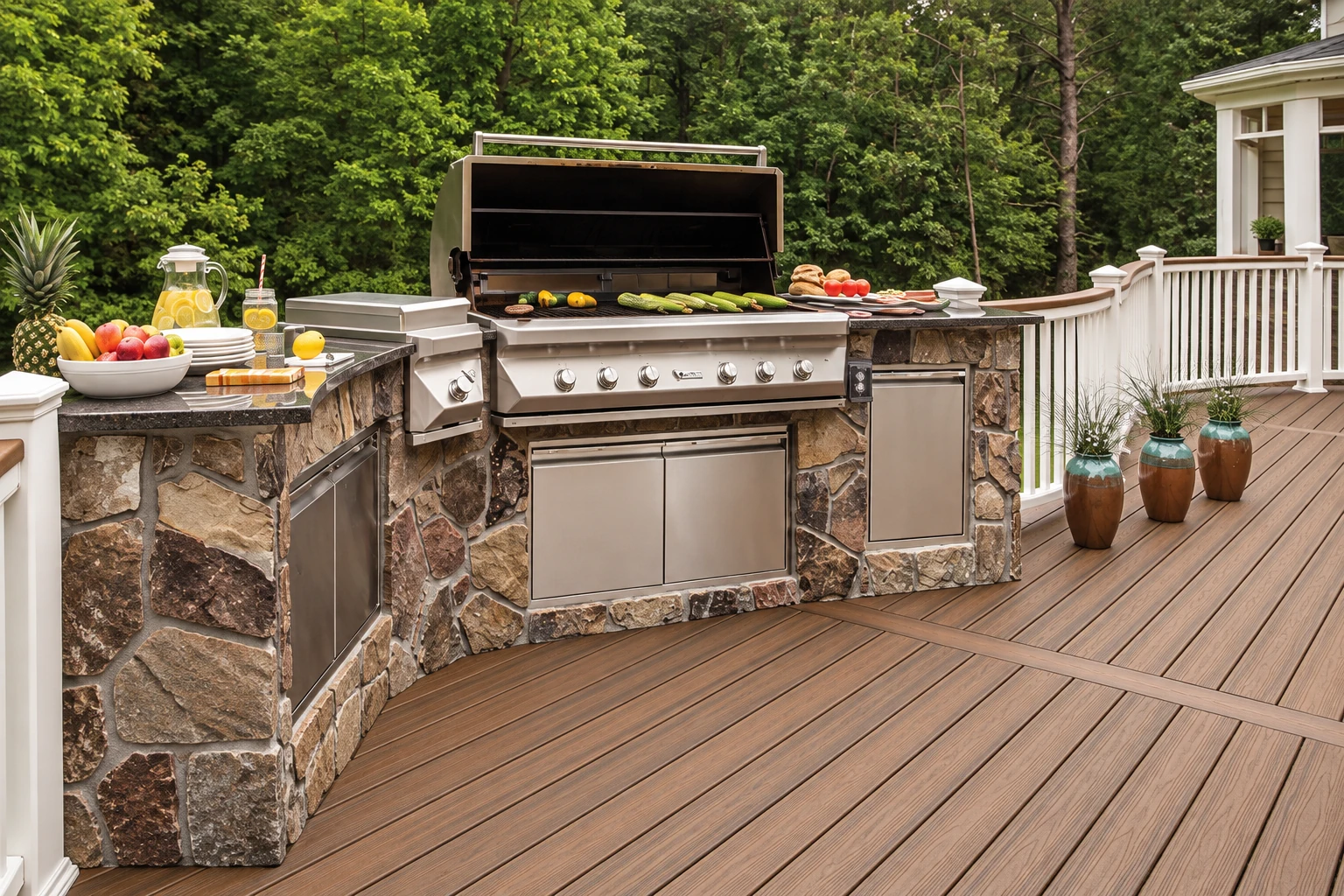
Sometimes restoring isn't the best spend. When an old fireplace surround is past patching, I'll talk with you about fireplace installation, and if a sound wall just looks tired, stone veneer installation can give it a new face. I'll tell you which one makes sense for your wall.