Natural stone yard walls
A natural stone wall along a yard or planting bed goes up course by course in mortar. It sits out in the weather, so the joint style matters more here than anywhere else.
Crumbling mortar, loose stones or a plain wall you want faced in stone? We set each stone in full mortar so it holds.
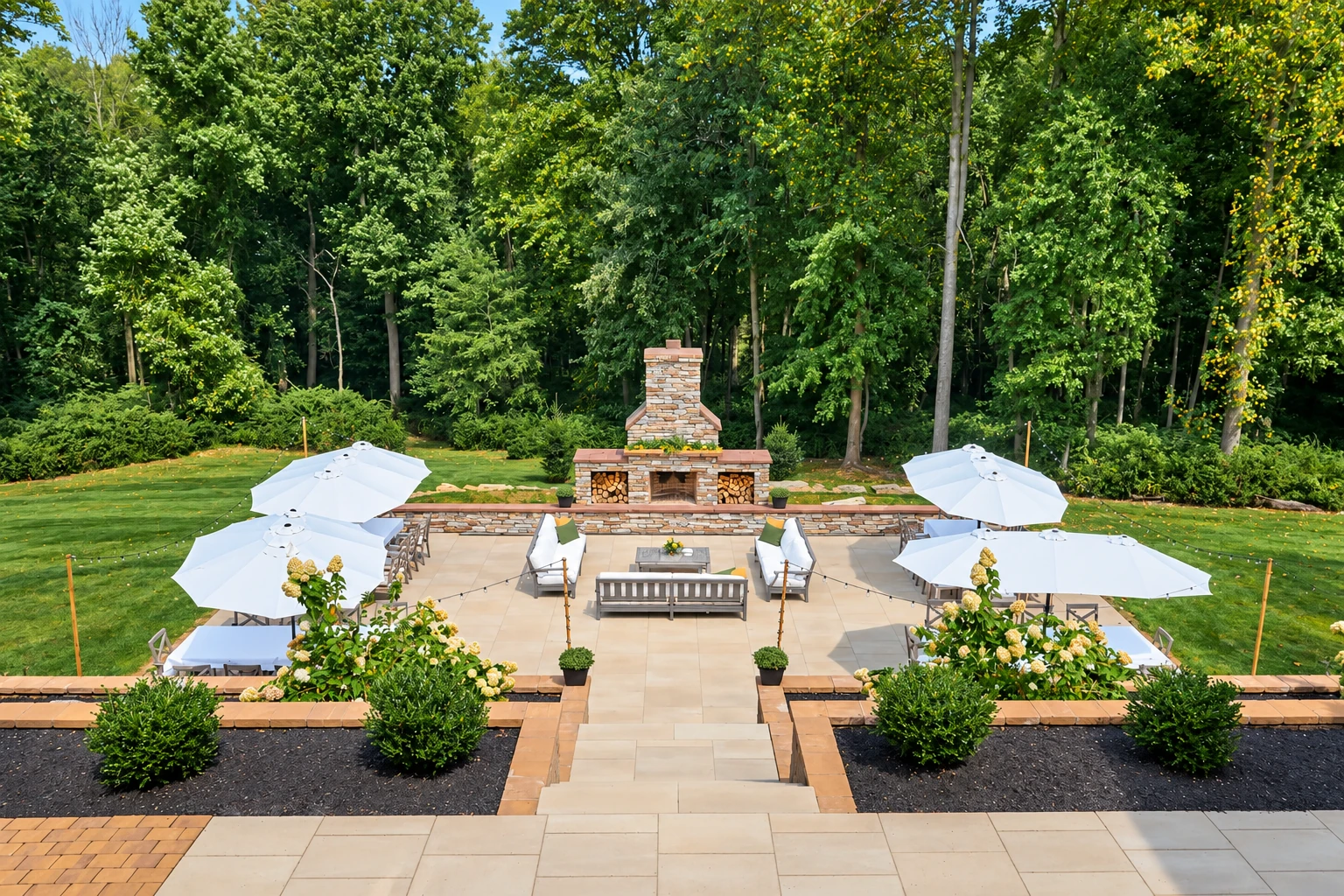
Stone masonry in Rialto, CA means setting natural or manufactured stone in mortar, either as a wall of its own or as veneer, a stone face added to a wall you already have. It also covers repointing worn joints once the mortar starts to give out.
The price mostly comes down to how much wall there is, whether you pick natural stone or the lighter manufactured kind, how much old mortar or stone has to come out first, and how easy the spot is for our crew to reach. The schedule depends on getting the stone you choose, whether the job needs a permit and inspections, and the weather. After I walk the job with you, you get a written estimate that says what we'll do and why.
Rialto gets most of its rain in December, January and February, and flooding is more likely then, so outdoor walls are easier to plan for the drier months. If your house is older unreinforced masonry, meaning brick or stone with no steel inside, the city's hazard planning says buildings like that face a high risk of damage and collapse when the ground shakes. Tell me if that's what you have before we plan any stone work on it.
I'm the one who walks your wall and writes the estimate, and I'm on site running our crew while the work gets done, so what we agreed on is what gets built.
I'll tell you quickly whether your stone wall needs repair, a rebuild or nothing at all. If a job isn't worth doing, I'll say so, so you're never left wondering where things stand.
A wall that has to be redone costs a family twice, so we do it right the first time. Our stone work is backed by our satisfaction guarantee.
We fill the back of each stone with mortar as we set it, so there are no pockets behind it for water to sit in. One stone veneer guide calls that full mortar bed essential, because even small voids can collect water over time and cause early failure, and it tells owners to ask an installer how they fill the back of each stone. Ask me. I'll show you.
Before the first stone goes up, we talk through mortared joints and dry stack with you based on where the wall goes and how it'll be used. Then we lay the stone out so sizes and colors mix across the whole face instead of bunching up, and we keep the site cleaned up as we go.
If the stone is sound and only the joints have worn out, we rake out the old mortar and pack in new, the same work we do on brick with brick pointing. If a wall is cracking because the ground or footing under it is moving, new stone or mortar won't stop it, so I'll check whether it needs foundation repair first and tell you plainly.
A natural stone wall along a yard or planting bed goes up course by course in mortar. It sits out in the weather, so the joint style matters more here than anywhere else.
Manufactured veneer is a lightweight product cast from cement-based materials and aggregates to look like natural stone. It faces a wall without carrying any of its weight, so it suits dressing up a wall you already have.
Inside, stone goes on fireplace surrounds and accent walls that stay dry. That opens up joint styles that don't make sense on an outside wall that takes rain and sun all year.
Mortar is the part of a stone wall that wears out first. On an older wall the job is often new joints, not new stone, which keeps the wall you have standing.
Send the form and we'll get back to you within one business day to set a time. I'll come out, walk the wall with you, take measurements and photos, and give you a free written estimate with no obligation.
Let us know if it's inside or outside, in the yard or on the house, and roughly how big it is, because that shapes the stone, the joint style and the price.
Natural stone, manufactured veneer or not sure yet are all fine answers. Knowing where you're starting lets me come ready to talk through the options that fit that spot.
If you're fixing a wall you already have, a few photos of the cracked or missing mortar help me tell before I come out whether it's repointing or something bigger.
These photos show stone types, joint styles and wall layouts you can point to when we talk about what fits your yard or house.
Straight answers to what people ask us about stone choices, licenses, permits and care before they start a stone project in Rialto.
Only a very small one. The state lets an unlicensed worker take a job under $1,000, but only when the work needs no permit and no hired help, so any stone job with a permit or a crew calls for a licensed contractor. A bigger project can't be split into pieces under $1,000 to get around that. We're licensed and insured.
The City of Rialto Building Department does plan check, permits and inspections for building permits in the city, following the California Building Code and the Rialto Municipal Code. Plans going in now fall under the 2025 California building standards. When your job needs a permit, we handle the application and we're there for the inspections, and if I'm not sure it needs one, I check with the city before we start.
It can be, in a climate that doesn't freeze. One stone veneer guide doesn't recommend open joint veneer outdoors where weather freezes and thaws, and says dry stack, stone with no mortar in the joints, suits indoor work or warm climates where it doesn't freeze. Inside, it's a good fit for a fireplace surround or an accent wall.
Mortar joints are the part of masonry that wears first, and after enough years of sun and rain they crumble and open up. The fix is usually repointing, which means raking out the worn mortar and packing in new. On older walls the choice of mortar matters, because historic masonry guidance warns that mortar that keeps moisture from getting out of the wall will damage it.
Test the cleaning method on a small spot before anyone does the whole wall. Acidic cleaners can etch and dissolve acid-sensitive stones like marble and limestone, so historic masonry guidance suggests owners ask for a test first. That's a fair thing to ask of us or anyone else you hire.
Call (909) 546-5001 or send the form tonight. We answer weekdays until 10 PM and start at 6 AM on weekends.